Affiliate disclosure: this page contains affiliate links. If you buy through them we may earn a commission, at no extra cost to you. It never changes what we write — see our full disclosure.
NEO Sabers review: which board tier is worth paying for, and which is not
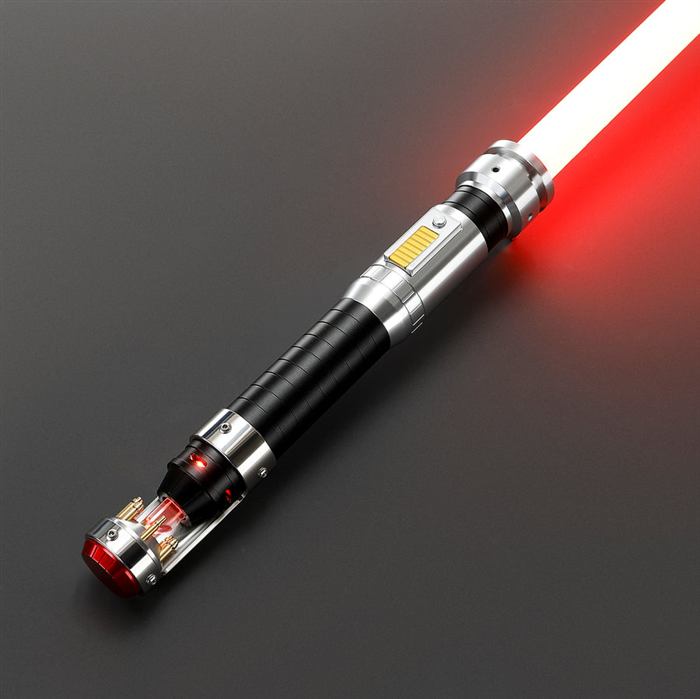
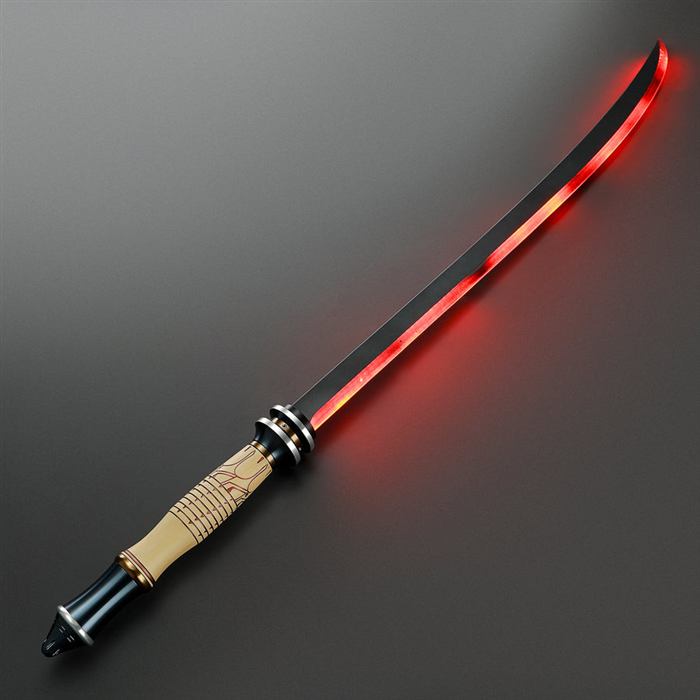
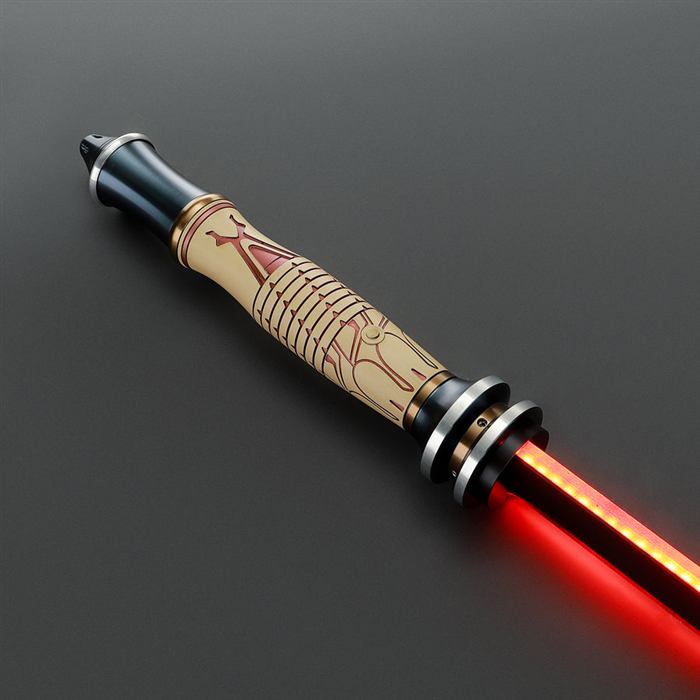
The same hilt in three board tiers, so you pay for the electronics you will actually use — from $299.
Best for: First-time buyers who want a movie-bright blade without paying collector prices.
From $299 See current prices at NEO Sabers
NEO Sabers sells combat-ready sabers in the $299–$549 range, and its useful trick is that the same hilt is often offered with different electronics inside. That matters more than any design detail, because the board is where most of your money goes and where most buyers overspend. This page is mostly about choosing the right tier.
Who this is for
- Someone buying a first proper saber and unsure whether to spend $299 or $469
- Duellists who need something that survives contact rather than sitting on a shelf
- Buyers who want a distinctive design rather than a screen replica
Pricing
| Plan | Price | What you get |
|---|---|---|
| Baselit tier | from $299 | Hollow blade lit from the hilt with a reflective lining. The tough, affordable option — the one to duel with. Comes with 2 free RGB sabers |
| Xenopixel tier | $355–$385 | Neopixel blade (LED strip inside) on the Xenopixel board: app control, no programming. This is the tier most first-time buyers should choose |
| Proffie tier | from $469 | Neopixel blade on a Proffie board: near-unlimited customisation, large aftermarket community — and a real learning curve |
| Replica II line | $449–$549 | The screen-accurate hilts, sold with 2 free Replica Pixel sabers rather than RGB ones |
Pricing checked September 2026 on the vendor's own page. Prices change — verify before you buy.
What is good, and what is not
Good
- The same hilt across board tiers means the design you like does not force you into electronics you do not need — a $86 gap between Baselit and Xenopixel on the same saber is a real choice, not an upsell.
- Every saber ships with two free extra sabers, which is how a single purchase becomes something you can actually duel with — you cannot spar alone.
- Original designs (Codex Crystal, Crimson Core, Blade of Talzin) alongside the replica line, so you are not limited to screen copies.
- At $299–$549 it sits well below the collector-grade brands while using the same Xenopixel and Proffie boards they do.
Not so good
- Neopixel blades are more fragile than Baselit ones — they carry 250+ LEDs and electronics inside the blade. — if heavy dueling is the main use, the cheaper Baselit tier is genuinely the better buy, not the compromise.
- Proffie needs programming knowledge to be worth its premium. — skip it unless you already want to tinker; on the same hilt that saves you well over $100 for features you would not touch.
- The free sabers bundled with most models are RGB, not neopixel. — fine as loaners and duelling spares, but do not expect a second movie-bright blade. The Replica II line bundles Replica Pixel sabers instead.
- Model names are abbreviated (LSW, OWK, ASW, DM), which makes them hard to research before buying. — compare by hilt photo and board tier rather than by name.
- The brand was founded in 2021, so it has a shorter track record than houses that have been building sabers since 2009. — it uses the same proven boards as the established names; what is untested is the company's longevity, not the electronics.
The verdict
For most first-time buyers the answer is the Xenopixel tier at $355–$385: you get the movie-bright neopixel blade and app control without the Proffie learning curve, and every saber comes with two free RGB sabers so you can actually spar with someone. If your main use is heavy duelling, buy the Baselit tier at $299 instead — that is not the budget compromise, it is the more durable blade, and you keep $86. The only people who should reach for the $469 Proffie tier are those who already know they want to program it.
If it is not the right fit
No single product suits everyone. If the drawbacks above rule it out for you, these are where we would look next — including options that earn us nothing:
| Option | From | Better if |
|---|---|---|
| Baselit tier from NEO Sabers | $299 | Heavy duelling, where a neopixel blade is the fragile choice and you save $86 doing the right thing |
| 89Sabers | — | Collectors who want screen-accurate machining above all and will pay considerably more for it |
| A Proffie saber from any brand | — | People who genuinely want to program fonts and blade styles — the board matters more than the brand here |
Questions people ask
What is the difference between Baselit, Xenopixel and Proffie?
They are not three versions of the same thing, which is the single most common confusion in this hobby. Baselit and neopixel are BLADE types: a Baselit blade is hollow and lit from the hilt; a neopixel blade has an LED strip with 250+ LEDs inside it. Xenopixel and Proffie are SOUNDBOARDS that drive a neopixel blade: Xenopixel is app-controlled and needs no programming, Proffie is endlessly customisable but has a learning curve.
Which should I buy first?
For most first sabers, a neopixel blade on a Xenopixel board in the $300–400 range. It gives you the bright scrolling ignition people buy these for, without asking you to learn anything.
Is neopixel good for dueling?
It survives dueling, but a Baselit blade survives it better — there is far less inside it to break. If sparring is your main use rather than display, Baselit is the sensible choice and the cheaper one.
What are the free sabers that come with it?
Most models bundle two free RGB sabers — useful as loaners and duelling partners, but not neopixel. The Replica II line bundles two Replica Pixel sabers instead.
Is Proffie worth the extra money?
Only if you intend to use it. Proffie's value is in programming your own fonts and blade styles, backed by a large community. If you will never open the software, you are paying over $100 for a menu you will not visit.